#Mobilegeddon
On April 21st something happened that changed the search engine landscape forever. Some call it the Mobilegeddon. Last week Google released their latest algorithm, which truly was a game-changer. If you thought that the Panda and Penguin updates made a massive impact on the search engines results, wait until you see the effects of this. The new algorithm favors mobile friendly website designs and penalizes websites that are not mobile-friendly. This means that optimizing your content, design and layout of your website for mobile devices is no longer a choice. It is a must!
What is a mobile-friendly website?
A mobile friendly website design has a specific layout and content based on the size of the viewing device. If you are using an iPhone the site will look different than on a desktop or tablet device. With a mobile friendly design, you will make sure that visitors are always getting the best user experience, no matter what device they are using. How does it work? By letting the web browser allow the backend CSS code to respond differently to varying mobile devices by using a range of different coding techniques.
But my website already works on a mobile screen!
Does it look the same on a Smartphone as on a desktop? Do you have to zoom to read text? Are links close together? Bad luck! Google will crack down on all of these shortcomings. Prepare to shrink your content and make main navigation and call-to-action buttons more accessible. Remember that your user is most likely using his or hers thumb to navigate the website and not a cursor. In addition, the file size of your content must be compressed in order to have quicker loading times over the wireless LTE net. Make sure your website has all of these functions in place.
How do I know if my website is mobile friendly?
Besides from getting on your Smartphone yourself and trying to decide if you’re enjoying the user experience or not, you can run a mobile-friendly test. Google was nice enough to create the Mobile Friendly Test Tool before they send your website down into the abyss of lost Google search results. You can find it here:
We are mobile users! What do we want? LOCAL!
Think about this: If a customer is out on the street, searching for a brick and mortar store or a nearby restaurant on their Smartphone, what do they want?
3 things:
- Your location
- Your hours
- Your deals
It’s as simple as that. You don’t have to give your mobile user a wall of text about your business/restaurants history, what your mission is or how passionate you are about cats. All you need to tell them is: where they can find you, when you are open and why they should choose you (deals).
Why is Google evil and dropping my site rank even though it’s relevant for my search terms?
Google is not evil, users are evil. Google is simply displaying the mobile-friendly websites before the non-mobile-friendly alternatives for people who are using their mobile device. A direct result of this, is that mobile users are going to pick the mobile-friendly site over non-mobile-friendly, stay on the site longer (reducing bounce-rates) and convert at a higher rate. In the world of SEO, more traffic, lower bounce-rates and increased conversions are rewarded with better ranking.
My website is not mobile-friendly and Mobilegeddon has already happened, is it too late?
Yes. And no. You are definitely out in the last minute and Google will most likely penalize your website and drop you in rankings. So we have two words for you: Harm reduction. Just because your website is going to take a beating from this update, does not mean that you should leave it non-mobile-friendly. That would be like letting your car engine blow out just because you’re late on your oil change. Talk to your web developer (or honestly, talk to a new web developer if he or she haven’t addressed this issue) and see how they can help you.
Good luck with your online marketing endeavors and may you all survive the Mobilegeddon!

 In the technology world, everyone wants to upgrade to the latest and greatest model. When the iPhone came out in 2007, it wasn’t long after that people were already anticipating the release of the 4, 4s, 5 and so on. If we are all so concerned about being up to date on the latest models of technology, then we should all be ecstatic about the iPhone 6’s impact on the SEO and social media marketing world, right?
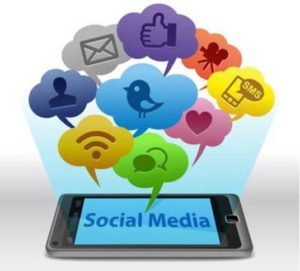 The most important and sometimes challenging part is getting these busy consumers to engage with your campaign, which is then going to increase your social media presence and ultimately, your conversion rates. As social media marketing experts, we have the solution. The secret to increasing engagement is to begin a post with a question or opportunity for your audience to interact with you as the company or even with other fellow consumers. This engagement will generate an online buzz, which will then draw attention to your page and lock down those conversions.

 With that follows the placement of the profile in a higher position inside the search results. This profile should be fully optimized with website link, contact information, hours, and business details. Make sure the profile is fully complete and positioned correctly in the suitable business category (i.e. retail, restaurant, finance, etc…). Once that is complete have a strong consistency of posting. Google Plus posts should be based around primarily business and marketing. This is where postings of current company news, upcoming promotions, reviews, etc… Making a strong Google + presence will lead to further people being able to locate the business. Needed is a Gmail account to create a page or “Places” or “Business” page, after which Google will send a postcard to verify the business and give control over the page.
 Always make sure you have a complete profile and have it optimized for the correct business category. When posting, remember how many people use Facebook; posts have to be eye catching or else it will get lost in the shuffle of Facebook’s News Feed. The most engaging content tends to be photos, videos, polls, quotes and intriguing questions. Limit the wording, the current Facebook reading public doesn’t extend too much of an attention span to every post in their News Feed. Make your business page more personal; include photos of inner workings, satisfied customers, promotions, upcoming events, etc…. Remember to place the website’s backlink in a majority of the posts, this will help in directing Facebook users to the site. Facebook posting should stay highly consistent, aiming around 4-8 posts a week.
 YouTube is the second highest search engine used today. Creating small videos with any type of video recording device can help greatly in driving traffic to the site and business. YouTube results get ranked high in Google’s Search Results due to the popularity of the site and as a subsidiary. YouTube videos are simple to upload and can be a highly engaging mean of marketing. Creating videos of business developments, employee vignettes, entertaining commercials, and company promotions/events can mean even more eyes on the actual product offering. Remember to optimize each video with proper use of tags, title, description, annotations, and conversation.
 friends. However, this platform goes far beyond career searching and plays a large part in B2B marketing. With 101 million users, including executives for almost every fortune 500 company, LinkedIn has become a community of business minded individuals. LinkedIn provides the opportunity to share information about your company and its services to a direct market of users that joined the platform for the sole purpose of bettering their company. LinkedIn is highly underestimated and is the best facilitator for B2B marketing strategy.

 Performance: